
Precision craftsmanship
Specialized timepiece expertise
Expert guidance
Made around your vision
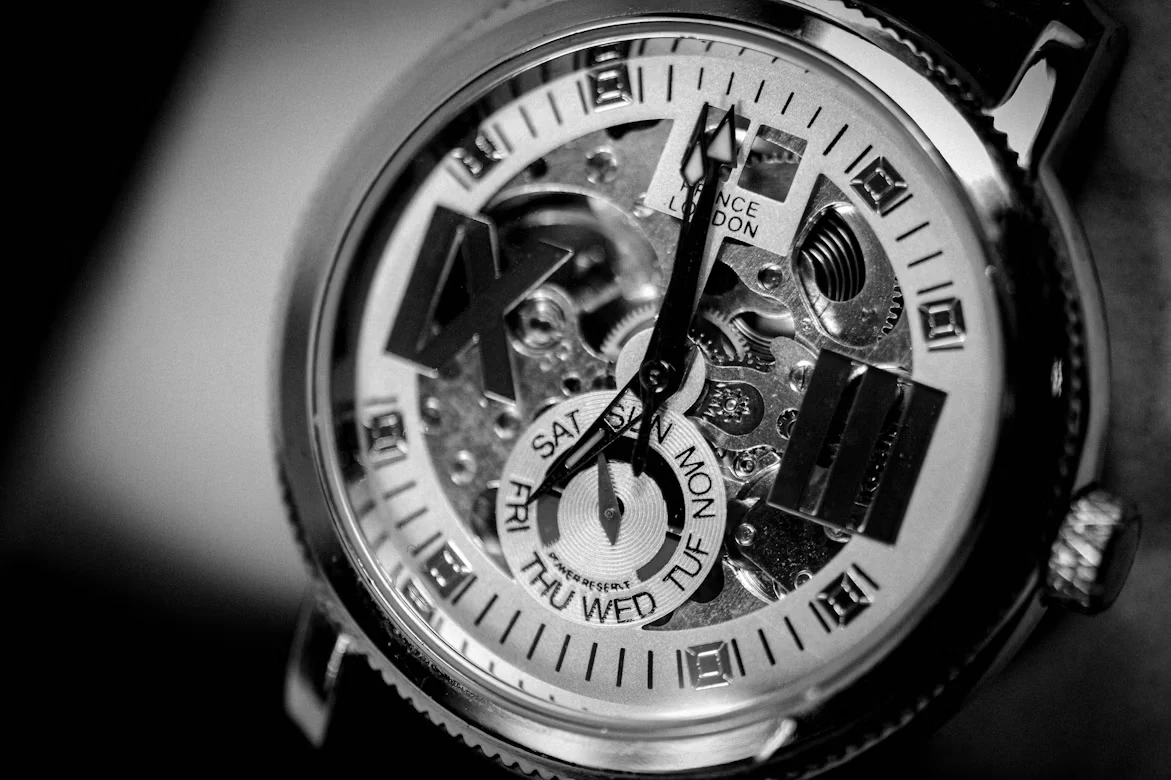
Hans Wilsdorf’s vision was to create a wristwatch that was both elegant and robust. The Oyster case (1926) and Perpetual rotor (1931) set new standards. Today, every Rolex is a Superlative Chronometer with a -2/+2 sec/day tolerance, but even the best machines need periodic fine‑tuning. A tune‑up focuses on what keeps your Rolex accurate, watertight, and comfortable on the wrist.
Our tune‑up service is designed for Rolex watches that are running well but need a “health check”: pressure test, timing adjustment, bracelet cleaning, and crown seal replacement.
Even a perfectly running Rolex can lose water resistance or develop micro‑errors in rate. A tune‑up identifies small issues before they become costly repairs. Collectors who schedule regular tune‑ups see 15–25% higher resale value.
| Service | Typical Time | Best For |
|---|---|---|
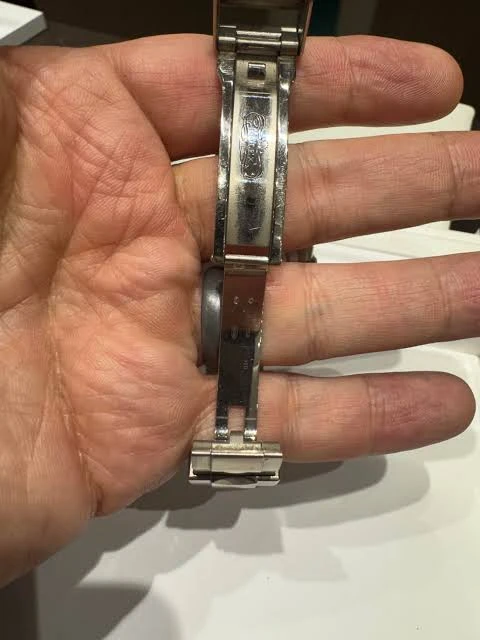
| 1Bracelet adjustment & link resizing (Oyster, Jubilee, President) | 10–20 min | New owners, changing wrist size, seasonal fit |
| 2Case & bracelet ultrasonic cleaning | 15 min | Removing dirt, sweat, and metal particles |
| 3 Crystal polish (sapphire or acrylic) | 20 min | Minor scratches on cyclops or crystal |
| 4Clasp spring bar replacement (EasyLink, Glidelock) | 10 min | Loose clasp or reduced tension |
| 5Timing only (no disassembly) | 15 min | Daily rate checks, quick regulation |
 Posted on Google
 Yasmeen Kadouh
Trustindex verifies that the original source of the review is Google.
Jacob is kind, thorough, and so knowledgeable!! I will definitely come back for my jewelry needs.Posted on Google Model3 GirlI had such a wonderful experience at Newport Jewelers, and I especially want to recognize Jacob for his exceptional customer service! I absolutely did not want to be without my ring, but it needed to be resized. Jacob got me in right away and went above and beyond to make sure I wasn’t without it for long. He had my ring resized in record time, and I couldn’t have been happier with the service and care he provided. What really stood out to me was how accommodating, professional, and kind Jacob was. Customer service like that is hard to find these days! I had actually called another jeweler in the same plaza beforehand, and the person I spoke with was extremely rude and unhelpful. The difference in customer service was honestly night and day. I highly recommend Newport Jewelers and Jacob. If you want someone who genuinely cares about their customers and takes pride in their work, definitely see Jacob! ⭐️⭐️⭐️⭐️⭐️Posted on Google
 Stephen GeorgeI brought my Rolex in after I cracked the crystal and Jacob took care of it for me. He was very helpful and did a great job with the repair. My watch looks like new again!Posted on Google
 Kyryl AbazherMy wife is really happy with how the ring 💍 sizing change turned out. Jacob is very knowledgeable and detail oriented - true professional with high standards!Posted on Google
 allegra malekiJacob did amazing work on my engagement ring that was passed down to me from my grandmother. He resized the ring and made it silver. It is my dream ring and he made my dreams come true. I can’t appreciate him enough, he is amazing. I will reccomend him to everyone I know !Posted on Google
 Sara WilliamsReally happy with my experience at Newport Jewelers. I went in looking for an engagement ring and honestly wasn’t sure exactly what I wanted at first. Jacob was really helpful and took the time to show me different options and answer all my questions. I ended up finding a ring that I absolutely loved. The whole experience was great, and I really appreciate Jacob’s help. Definitely recommend Newport Jewelers if you’re looking for an engagement ring.Posted on Google
 Kyle GreenJacob was great! I walked in and he was able to fit my Rolex within 10 minutes. Great service!Posted on Google
 Kyle VillasenorI had a wonderful experience meeting and doing business with Jacob. He was incredibly friendly, welcoming, and a pleasure to work with. I needed a ring resized, and the results were even better than I expected, especially considering how significant the size change was. The craftsmanship was excellent, and the ring came back looking brand new. I was also really impressed to learn that Jacob makes his own jewelry, which shows in the quality and attention to detail of his work. You can tell he takes a lot of pride in what he does. I’m extremely happy with how my ring turned out and would highly recommend Jacob to anyone looking for beautiful craftsmanship, quality work, and great service.Posted on Google
 Katherine GordonI had two rings worked on by Newport Jewelers the first was a repair, stone replacement and smoothing down sharp edges making my ring more comfortable to wear. The ring is stunning, he cleaned and polished it Next I had him change the mounting of my gorgeous 12 carat vivid blue sapphire from a very old platinum ballerina styled ring. To a modern pave mounting. The ring is stunning when I saw it I got goose bumps and wanted to cry. I have never seen a more beautiful ring, and the best part is it is mine!!! Thank you so much I am so so very happyPosted on Google
 Suzan JamesI had such a wonderful experience at Newport Jewelers! I recently bought a beautiful ring from them, and I couldn’t be happier with my purchase. Jacob was incredibly kind, patient, and helpful throughout the whole experience. He made me feel comfortable and never rushed me into making a decision. You can really tell that he cares about his customers and wants them to find something they truly love. Highly recommend Newport Jewelers, especially if you’re looking an Engagement rings!
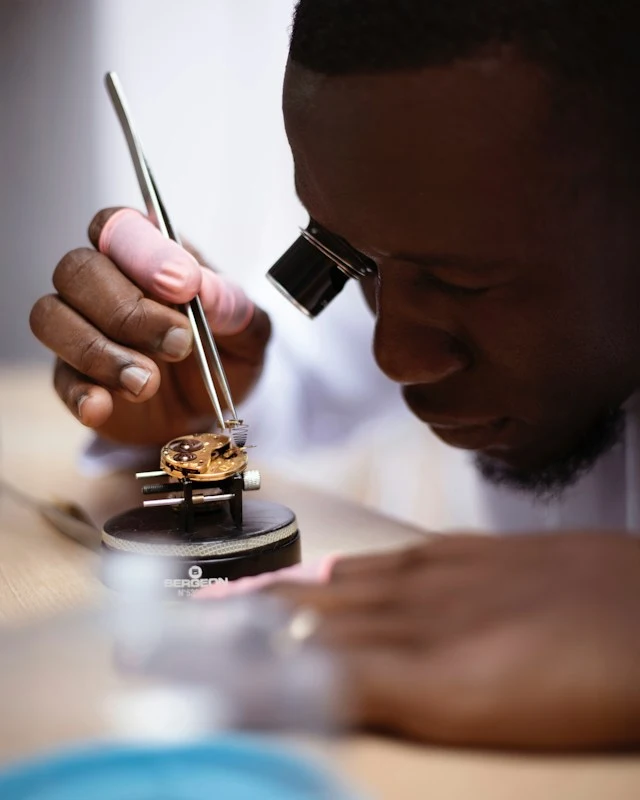
The Rolex Oyster case is deceptively simple. The Triplock crown has three sealing zones, and improper reassembly can destroy water resistance. The Parachrom hairspring is highly anti‑magnetic but very thin, so over‑demagnetisation can alter its elasticity. The Glidelock and EasyLink clasps contain tiny springs that can fly off if handled carelessly, and Cerachrom bezel inserts can be etched by the wrong cleaning solution.
At Newport Jewelers, our process follows Rolex’s technical bulletin guidelines. We use original gaskets, calibrated pressure testers, and a Witschi timegraph, so your Rolex leaves better than it arrived.
Newport Beach, California
(949) 781-1979
Private appointments available