Choosing a diamond is an important decision, especially when you are shopping for an engagement ring or another meaningful piece of jewelry. Today, buyers have more options than ever, with lab-grown diamonds offering an alternative to traditionally mined natural diamonds.
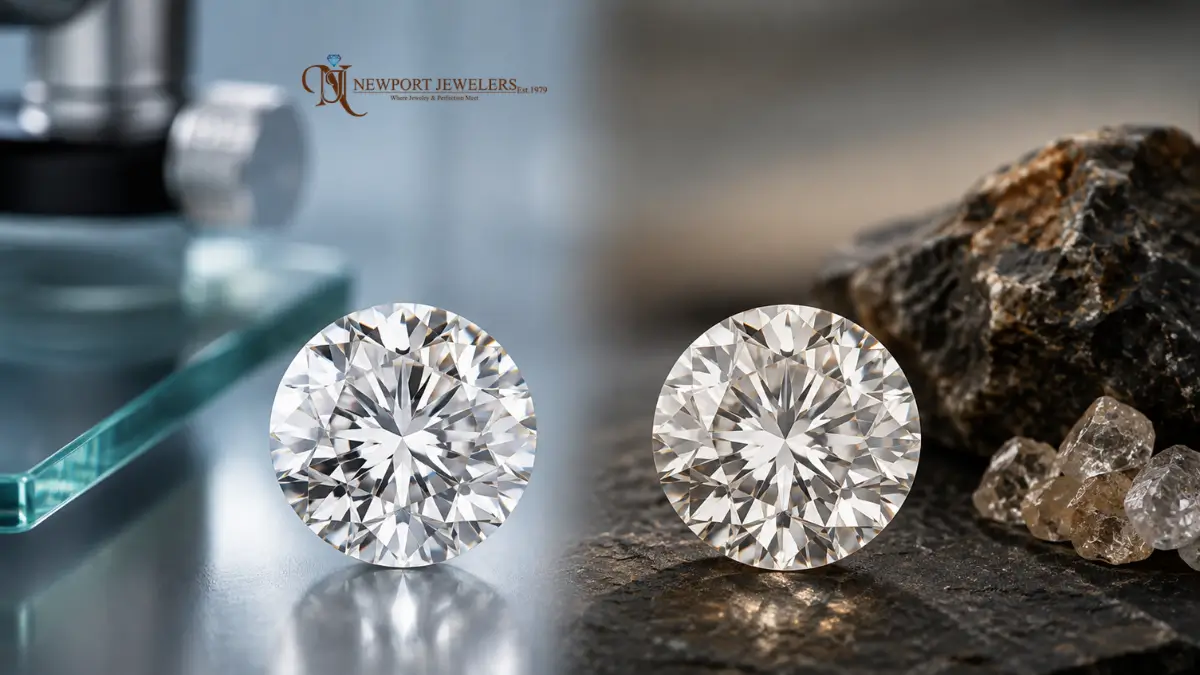
Both types are genuine diamonds and share the same basic chemical composition, physical properties, and appearance. The biggest differences come from where they originate, how they are produced, pricing, rarity, and how buyers view their long-term value.
If you are deciding between the two, understanding these seven differences can help you choose a diamond that fits your preferences and budget.
1. Origin and How They Are Made
The most fundamental difference is where each diamond comes from.
Natural diamonds form deep beneath the Earth’s surface under intense heat and pressure. This geological process takes millions or even billions of years before diamonds are brought to the surface through mining.
Lab-grown diamonds, on the other hand, are produced in controlled laboratory environments using advanced technology. Two common production methods are High Pressure High Temperature (HPHT) and Chemical Vapor Deposition (CVD). These processes recreate conditions that allow carbon atoms to form diamond crystals.
Despite the different origins, lab-grown diamonds are not simply diamond lookalikes. They are actual diamonds with essentially the same crystal structure and chemical composition as natural diamonds.
2. Price
Price is one of the biggest reasons shoppers compare lab-grown and natural diamonds.
Lab-grown diamonds are generally less expensive than comparable natural diamonds. The difference can allow buyers to consider a larger carat weight, a different diamond shape, or a higher grade within the same overall budget.
Natural diamonds tend to command higher prices because of their geological rarity, mining process, supply chain, and long-established position in the luxury jewelry market.
However, price should not be the only factor you consider. The right choice depends on what matters most to you, including appearance, rarity, budget, and the personal meaning attached to the stone.
3. Rarity
Natural diamonds are naturally occurring geological materials, which makes them inherently finite. Their formation requires extraordinary conditions over extremely long periods.
Lab-grown diamonds can be produced using modern manufacturing processes, so their availability is not dependent on finding new deposits underground.
For buyers who place a strong emphasis on geological rarity and the natural history of a gemstone, a natural diamond may be more appealing. For those who primarily want the appearance and properties of a diamond, a lab-grown option can provide another way to achieve that goal.
4. Appearance and Quality
To the unaided eye, it can be extremely difficult to distinguish a high-quality lab-grown diamond from a natural diamond.
Both can display the brilliance, fire, and sparkle people expect from diamonds. Both can also be evaluated according to characteristics such as cut, color, clarity, and carat weight.
The quality of an individual stone still matters regardless of its origin. A well-cut diamond can appear more brilliant than a poorly cut diamond, whether it was grown in a laboratory or formed naturally.
This is why shoppers should focus on the specific diamond rather than assuming that one origin automatically means better quality.
5. Certification and Grading
Certification is another important consideration when buying a diamond.
A diamond grading report provides information about characteristics such as carat weight, color, clarity, and cut, helping buyers understand what they are purchasing.
Newport Jewelers offers both certified lab-grown diamonds and GIA-certified natural diamonds, giving shoppers the opportunity to compare different options based on documented characteristics.
When comparing two diamonds, reviewing their grading information can make the decision easier because you can evaluate the stones based on measurable qualities rather than appearance alone.
6. Environmental and Ethical Considerations
The production method is also important to buyers who are concerned about sourcing and environmental impact.
Natural diamonds require mining, which involves extracting material from the Earth and can have environmental and social considerations depending on the operation and supply chain.
Lab-grown diamonds are created in controlled facilities rather than extracted through traditional mining. This is one reason they appeal to shoppers who prefer an alternative to mined gemstones.
That said, it is worth looking beyond simple labels when considering sustainability. The environmental impact of a lab-grown diamond can depend on factors such as the energy sources and production methods used by the facility.
7. Long-Term Value and Personal Meaning
Another difference shoppers often consider is long-term value.
Natural diamonds have a long history within the jewelry and luxury markets and are associated with rarity and traditional diamond ownership. However, buying a diamond should not automatically be viewed as a financial investment.
Lab-grown diamonds can offer strong value for buyers who prioritize size, appearance, and affordability. Their lower purchase price may make it possible to create a larger or more customized engagement ring within a particular budget.
Ultimately, the most important value of an engagement ring is often personal. Whether the diamond formed naturally underground or was created in a laboratory, the meaning attached to the ring comes from the person and occasion it represents.
Lab-Grown vs. Natural Diamonds: Quick Comparison
| Feature | Lab-Grown Diamond | Natural Diamond |
|---|---|---|
| Origin | Created in a laboratory | Formed naturally underground |
| Composition | Diamond | Diamond |
| Appearance | Diamond-like brilliance and sparkle | Diamond-like brilliance and sparkle |
| Availability | Produced using modern technology | Limited by natural deposits |
| Price | Generally more affordable | Generally higher-priced |
| Rarity | Manufactured | Naturally rare |
| Certification | Available with grading reports | Available with grading reports |
Which Diamond Should You Choose?
There is no single answer that works for every buyer. A lab-grown diamond may be a good choice if affordability, size, modern sourcing, and customization are high priorities. A natural diamond may appeal more if geological rarity, tradition, and the natural origin of the gemstone are especially important to you.
If you are shopping for an engagement ring, compare individual diamonds based on their cut, color, clarity, carat, certification, and overall appearance. Looking at both options in person can also make the differences easier to understand.
Newport Jewelers offers a selection of lab-grown diamonds in different shapes and sizes, along with natural certified diamonds and custom design services, so shoppers can explore both options before making a decision.
The best diamond is ultimately the one that fits your style, budget, priorities, and story.